
Written by Allison Deglomine, Resonance Perfumery
Welcome to Notes from the Sierra: a monthly offering born from the voices within our own community.
This series is a space for the wisdom of lived experience, the elemental insights that shape our work, and the inspiration we draw from the mountains, forests, and beyond. Each month, someone from our teaching, guiding, or creative circles will share a reflection—a story, a lesson, a moment of relationship with nature or Self.
The only parameters we offer: make it honest. Make it from the heart. Make it real. Rooted in place, shared in the spirit of connection.
This month, we welcome Allison from Resonance Perfumery!
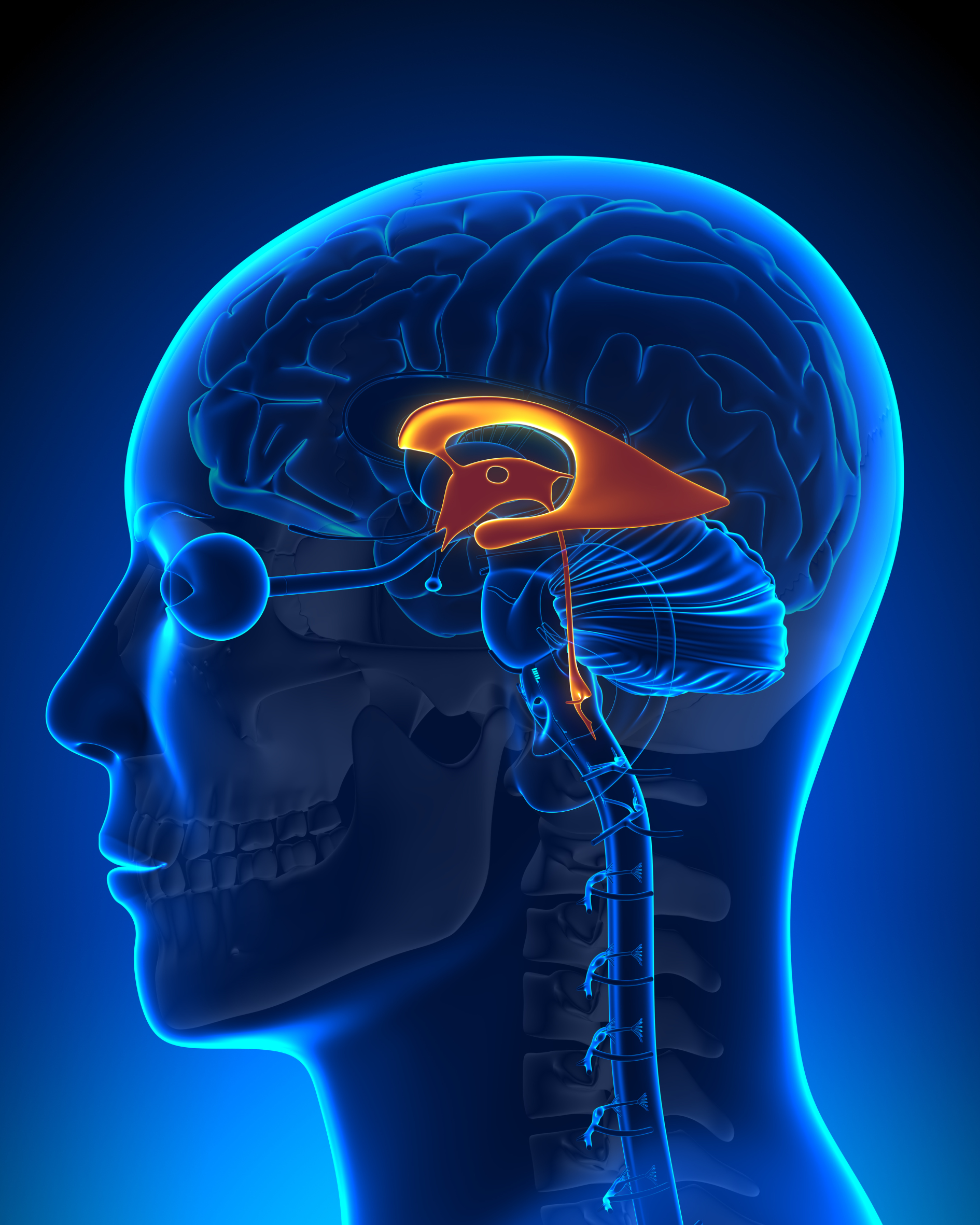
There is a region deep in the center of the brain that has quietly captured the attention of mystics, philosophers, and scientists across cultures and centuries — sought through meditation, ceremony, and contemplative practice in every age.
What’s astonishing is not just the convergence itself, but what it implies — that this interior place has been known and returned to across every culture and generation, and that it exists, right now, inside every person reading these words.
The Vedic tradition calls it the Cave of Brahma. Western anatomy calls it the third ventricle, and Descartes — the father of modern rational thought — called the pineal gland at its center the seat of the soul. In the language of energy medicine, this is the region of the sixth and seventh chakras — the third eye and crown — center of intuition and spiritual identity. In my own training as an Intuition Medicine® practitioner, we called it the meditation sanctuary — the interior space I learned to inhabit and return to deliberately.
What drew each of these traditions to the same location was the quality of awareness available there. Not the analytical mind that plans and solves and narrows — but something wider and more settled. A place of perception beyond ordinary thinking, where intuition becomes clear, where you enter present time — and ultimately, a state of wholeness and neutrality. It is, across every framework that has named it, the place most associated with coming home to oneself. In my own practice, this has become less a place I visit and more a place I live from — accessible in a single breath, in the middle of any ordinary moment.
As a perfumer, I am endlessly fascinated with our sense of smell. Of all our senses, smell alone has a direct, uninhibited biological pathway into this region of the brain— with direct access to the vast wilderness landscape of our soul.
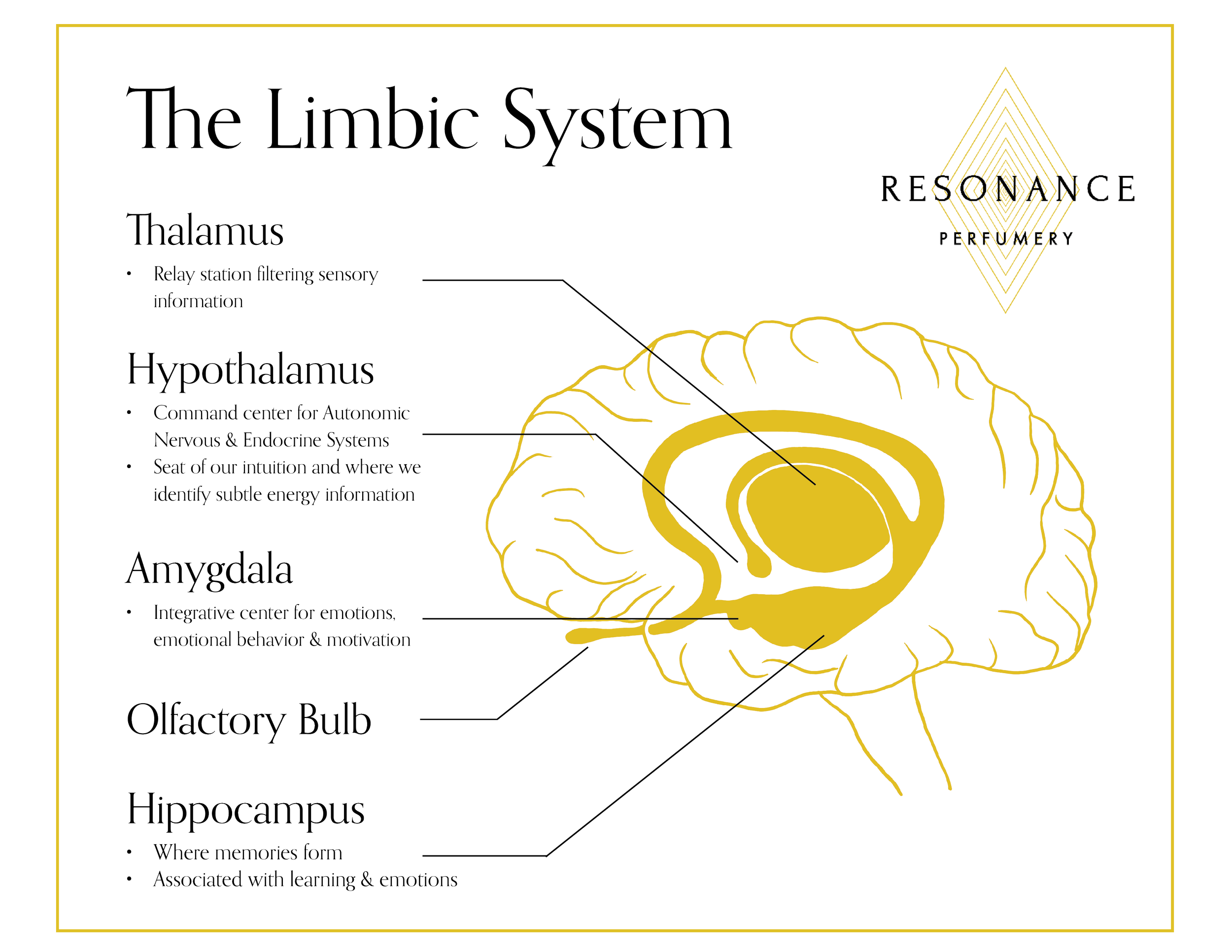
Image created by Anna Friedland
Into the Sacred Brain
Every other sense takes a detour first. Sight, sound, touch, and taste all route through the thalamus — the brain's interpretive gateway — before reaching the emotional and intuitive centers.
Scent bypasses it entirely.
Aromatic compounds travel from the nasal cavity directly along the olfactory nerve to the olfactory bulb, situated in intimate proximity to the limbic system. From there, signals move first into the amygdala — where emotions are formed and stored — and then into the hippocampus, where memories are made.
This is why a single scent can collapse time, returning you in an instant to a moment, a person, a place you haven't consciously thought of in years. The emotional response arrives before the memory does. Before thought has a chance to intervene.
From the amygdala and hippocampus, olfactory signals reach the hypothalamus — master regulator of both the autonomic nervous system and the endocrine system, governing the body's stress response, hormonal cycles, and capacity for rest. The hypothalamus in turn regulates the pituitary gland, which coordinates hormonal signaling to every other gland in the body.
This entire cascade — from first inhale to the innermost structures of the brain — happens before your conscious mind has registered anything at all.
Certain aromatic plants go even further. Sesquiterpenes — the molecules that give frankincense and sandalwood their particular depth — are among the rare aromatic compounds capable of crossing the blood-brain barrier, acting directly on brain tissue. Research has found that frankincense activates receptors associated with emotional warmth and reduced fear response — effects that speak directly to our deepest energy centers of safety, groundedness, and emotional belonging. I find myself wondering whether those who kept these resins burning in sacred spaces for thousands of years understood something we are only now finding language for.
This is the anatomy of why a walk in nature can change everything. And why the plants have always known something about us that we are only beginning to remember.
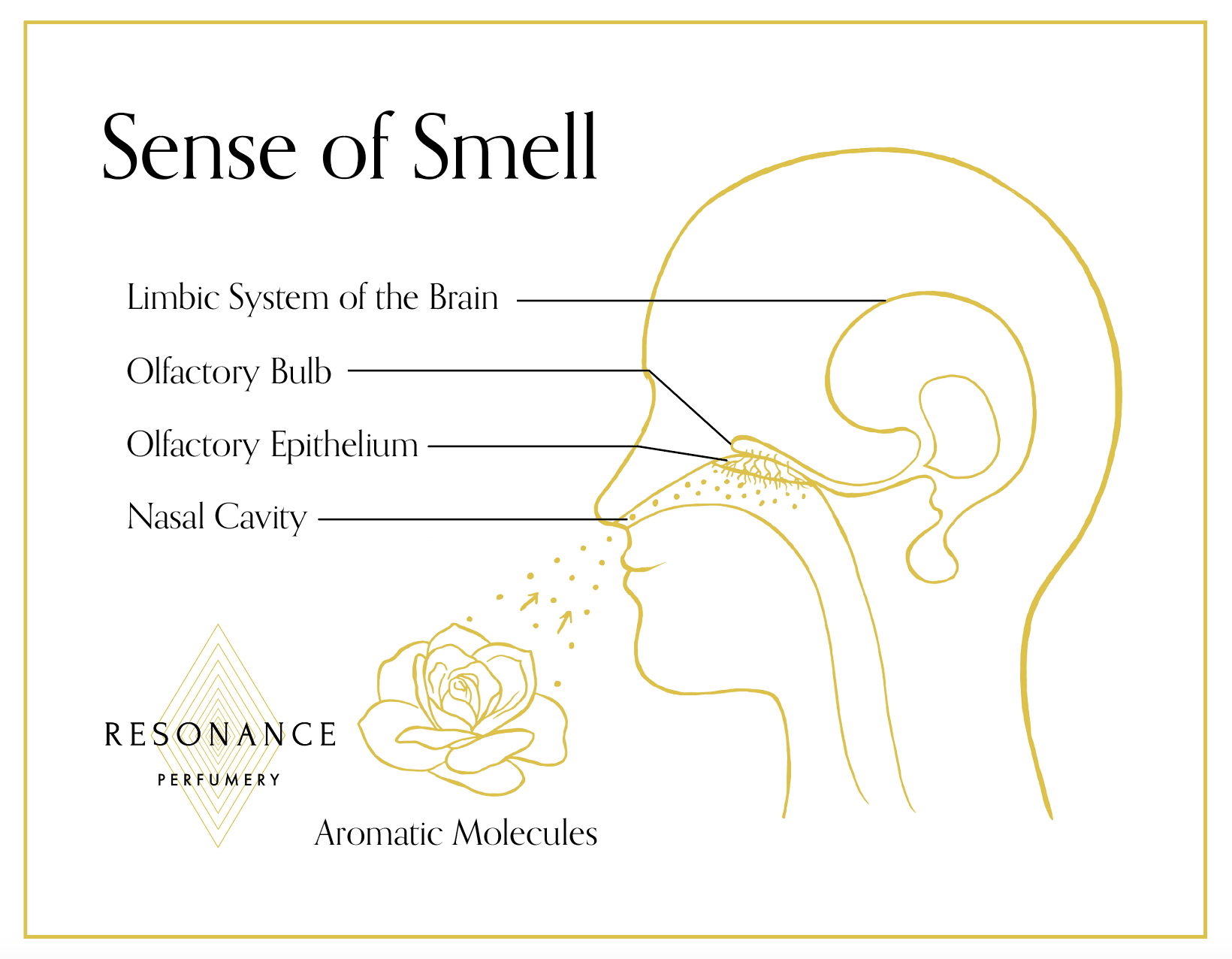
Image created by Anna Friedland
What the Plants Know
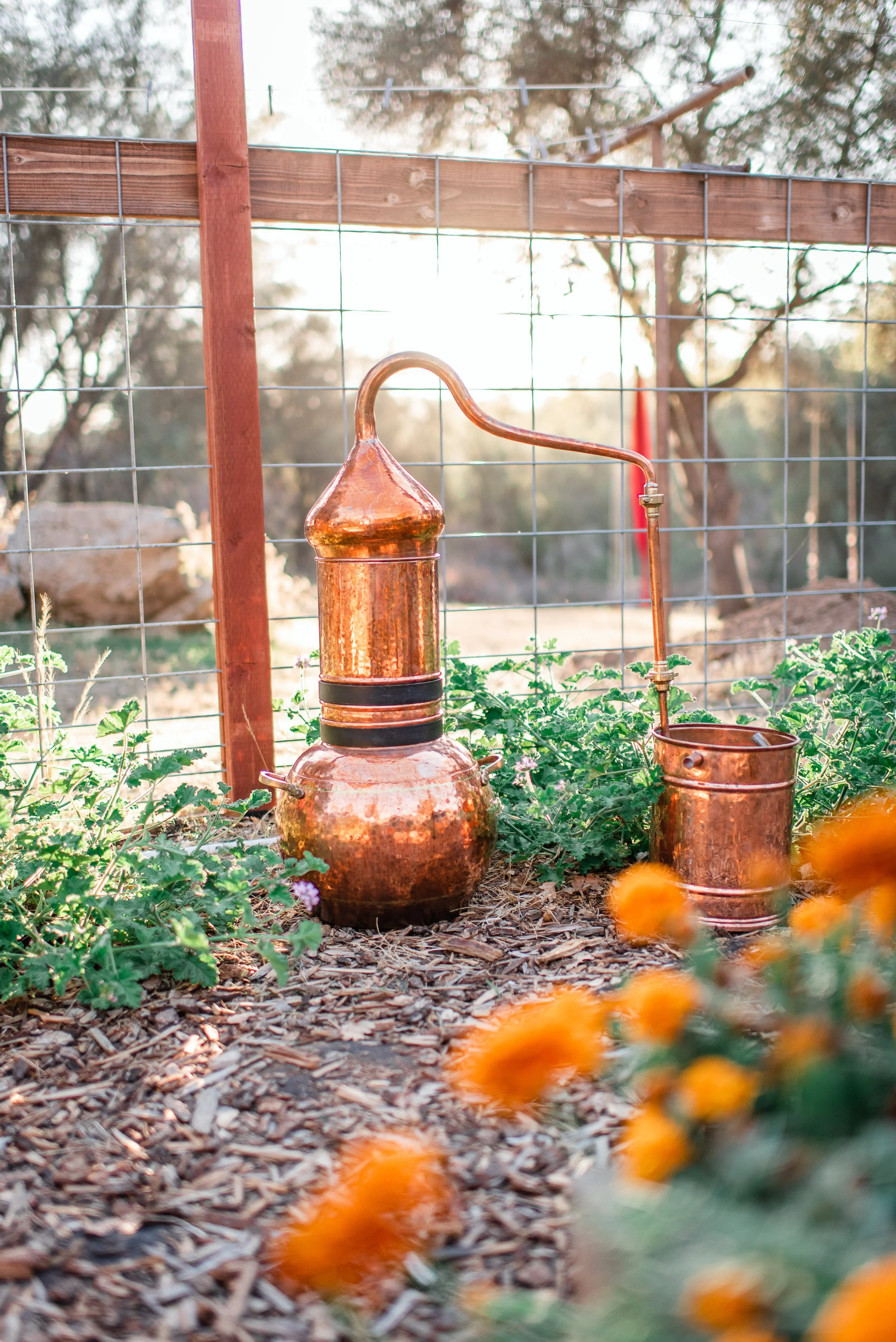
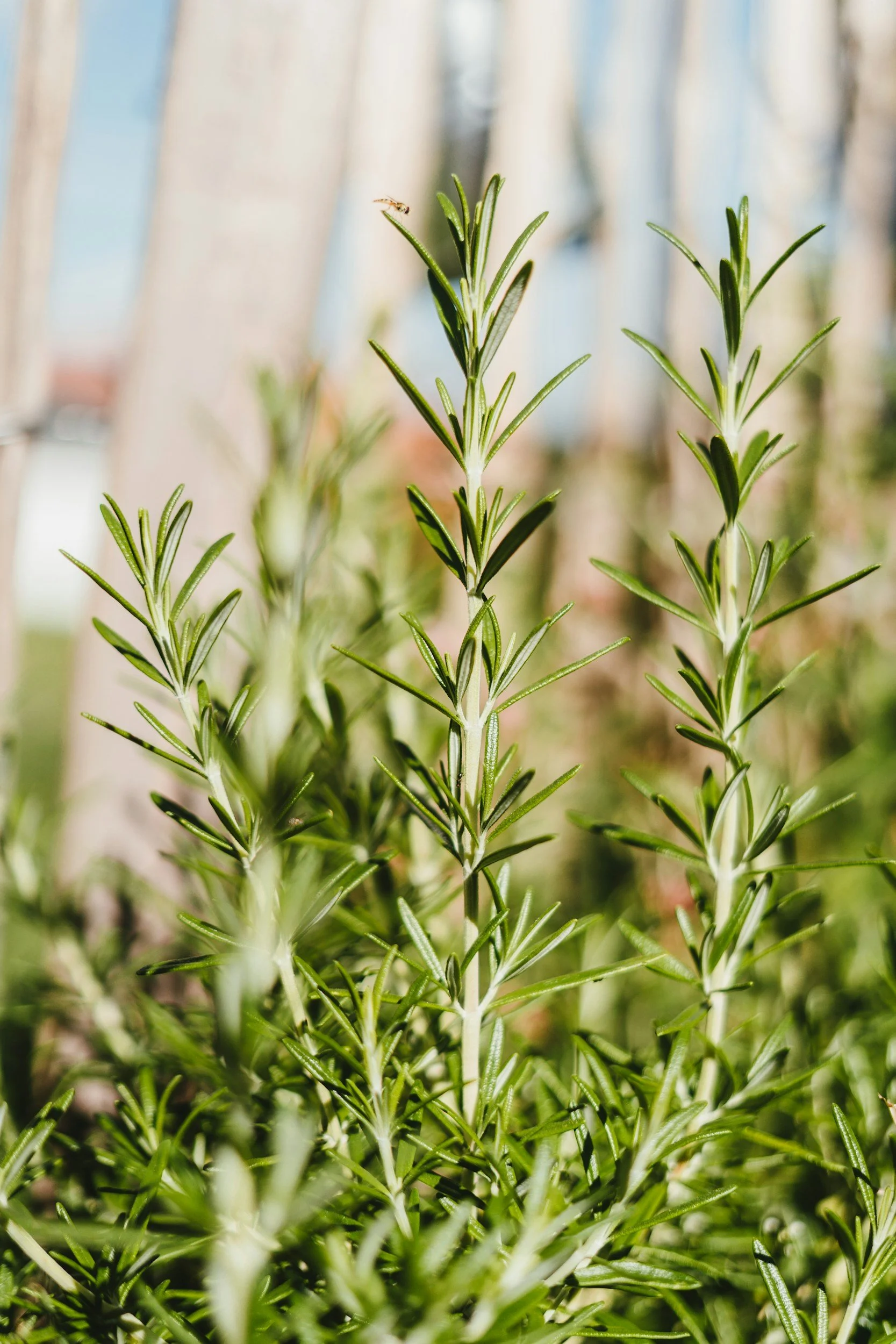
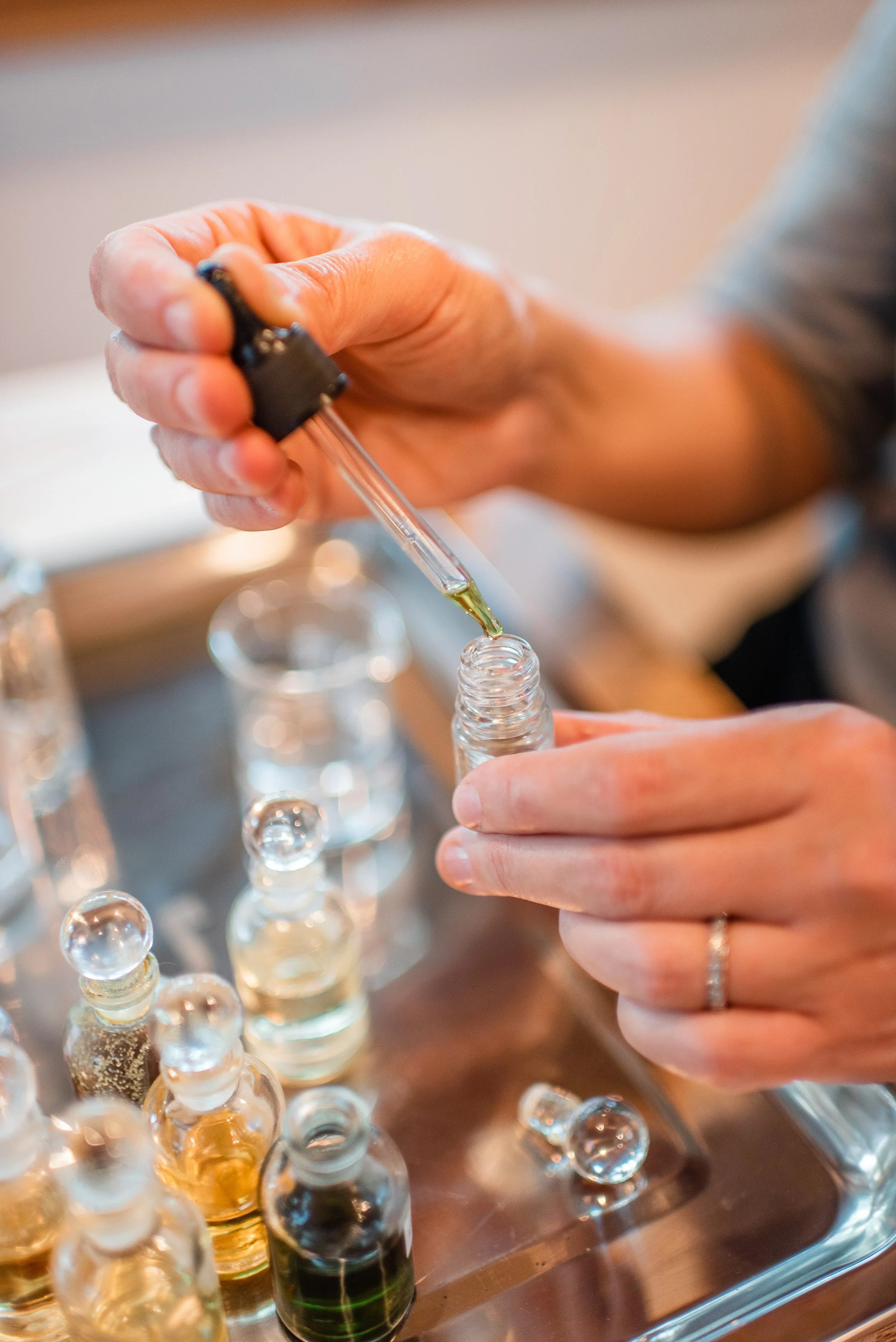
I think about this often when I'm working with aromatic plants — tending or harvesting, sitting quietly with a new blend, or working the still during a distillation.
Our nervous system developed alongside these plants over hundreds of thousands of years. The steadying you feel in nature isn't just a pleasant response to beauty. It is something older — something in your biology recognizing something in the landscape that it has always known.
What I've come to understand through this work is that plant aromatics don't create a new state so much as they return the body to one it already knows. The living aroma of a plant can surface what has been held beneath the surface — a nervous system that has been braced begins to remember what ease feels like, a scattered mind gets a reference point for stillness. Not because something new is being introduced, but because something is being remembered. This happens whether we are paying attention or not. When we do pay attention — when we slow down enough to actually notice the shift in perception — something else becomes available.
The analytical mind quiets. What opens in its place isn't empty. It's a wider kind of awareness, more present, less contracted and more receptive. The same numinous quality you find at the end of a long practice, or gazing out at an inspiring vista. In this way, the nose becomes one of our most accessible tools for returning to ourselves.
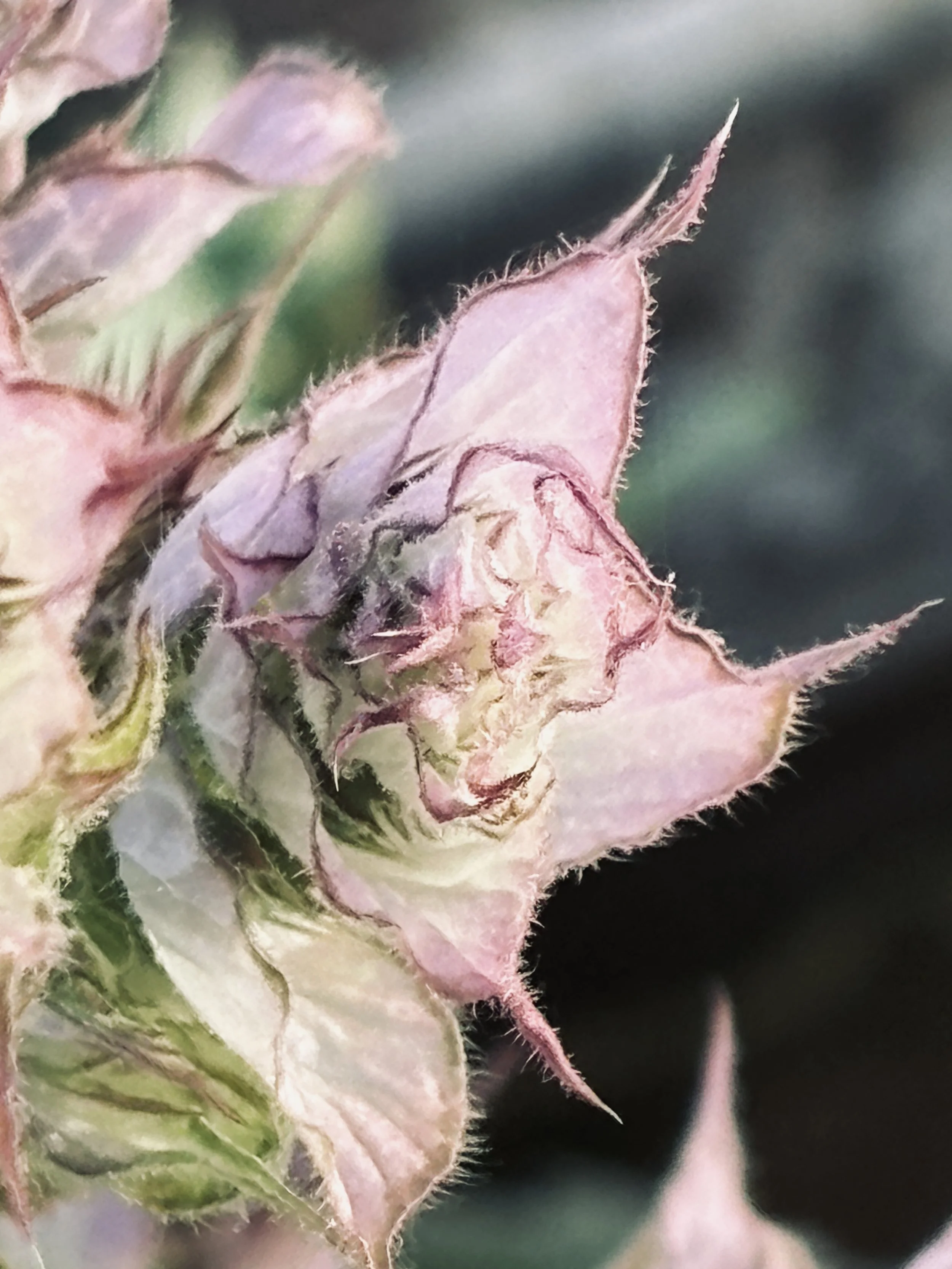
Rose expands and softens — there is an opening through the chest, an emotional settling that arrives before you have words for it, as the heart field gently releases what it has been holding. Vetiver pulls consciousness downward, toward the tailbone and the feet, grounding your energy and biofield back into the earth. Cedar and sandalwood center and strengthen, drawing scattered energy back to your central axis and creating a felt sense of interior solidity. Frankincense brings warmth and safety — a quality of opening without urgency. Each material is an invitation to arrive somewhere the body already knows.
Coming Home
The meditation sanctuary isn't only a destination for formal practice. It's a place you can learn to live from — a wider, quieter perch that exists behind the analytical chatter, behind the planning and the solving and the interpreting. Most of us visit it occasionally. But it's available more than we realize.
When we find our way there, something becomes clear that the thinking mind can't quite produce on its own. Not answers — but something quieter and more reliable. A knowing. A feeling of being fully in yourself. Whole.
Scent is one of the most direct paths I know back to this place. Not because it takes you somewhere outside yourself, but because it moves through the body in a way that thought cannot — arriving before interpretation, landing before judgment, bypassing the noise on its way to something more essential.
One breath. A return to yourself — spirit inhabiting its human home.
That's where it begins. And ends. And begins again.
A Simple Invitation
The next time you have a moment alone, choose something from nature — a sprig of something growing nearby, a handful of soil, or a drop of essential oil in the palm of your hand.
Close your eyes. Breathe without agenda. Notice where it lands in your body. Notice what quiets.
You don't need to analyze it or explain it. Just let your body respond.
That response is the direct line. And it leads somewhere worth knowing.
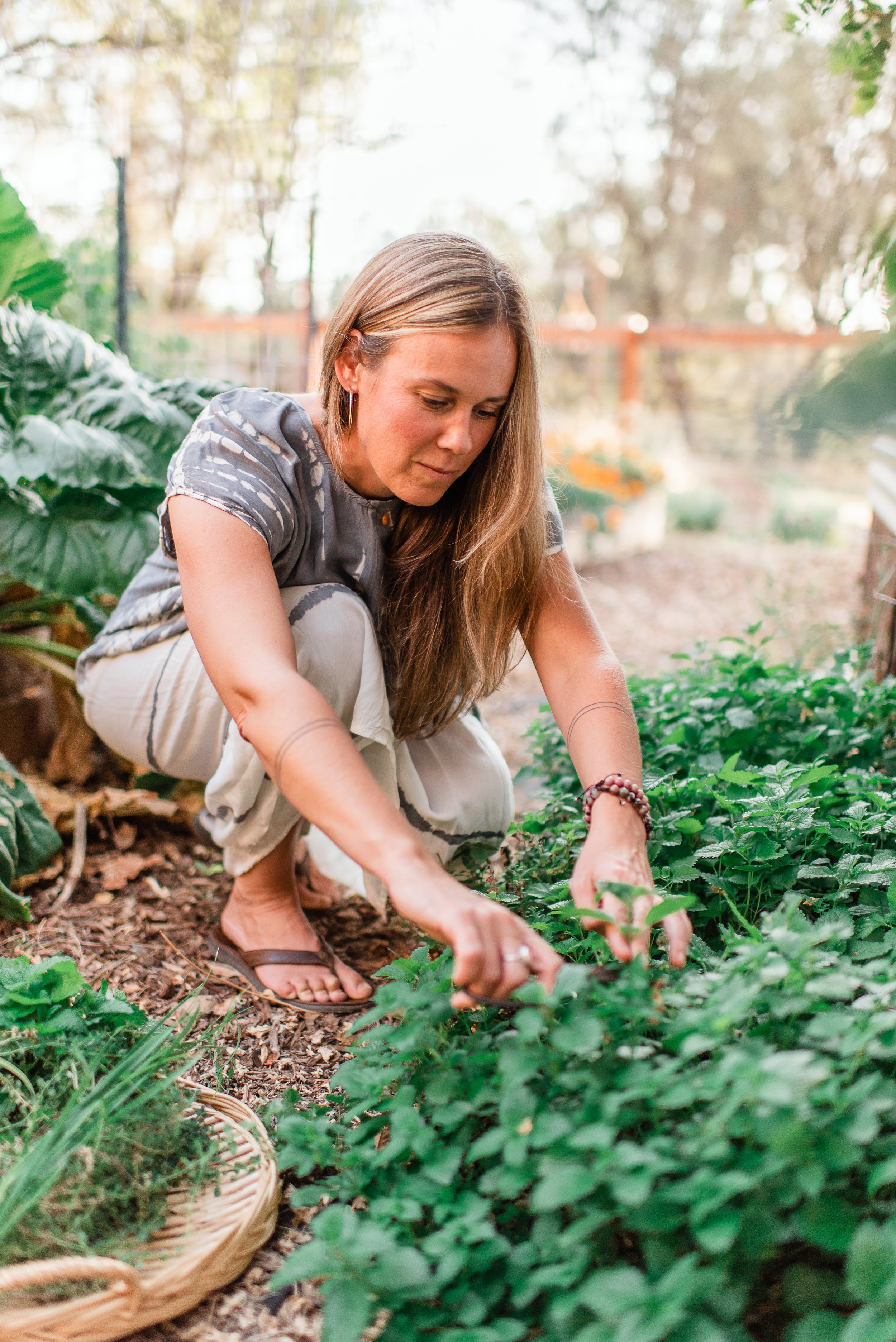
MEET ALLISON
Allison has lived in the Sierra Nevada foothills near Yosemite for 22 years, where she developed Resonance Perfumery through deep study of aromatherapy, natural perfumery, distillation, botanical gardening, and Intuition Medicine®.
As a trained Intuition Medicine® practitioner, she works with subtle energy — scanning clients and matching them with natural aromatics that support their return to balance and center. Her small-batch perfumes, hydrosols, and aromatic mists are crafted from this same intention: scent as a daily tool for presence, grounding, and coming home to oneself.
She currently offers the Resonance Experience — a guided scent workshop for retreats and yoga teacher trainings.
View upcoming experiences at resonanceperfumery.com / @resonanceperfumery